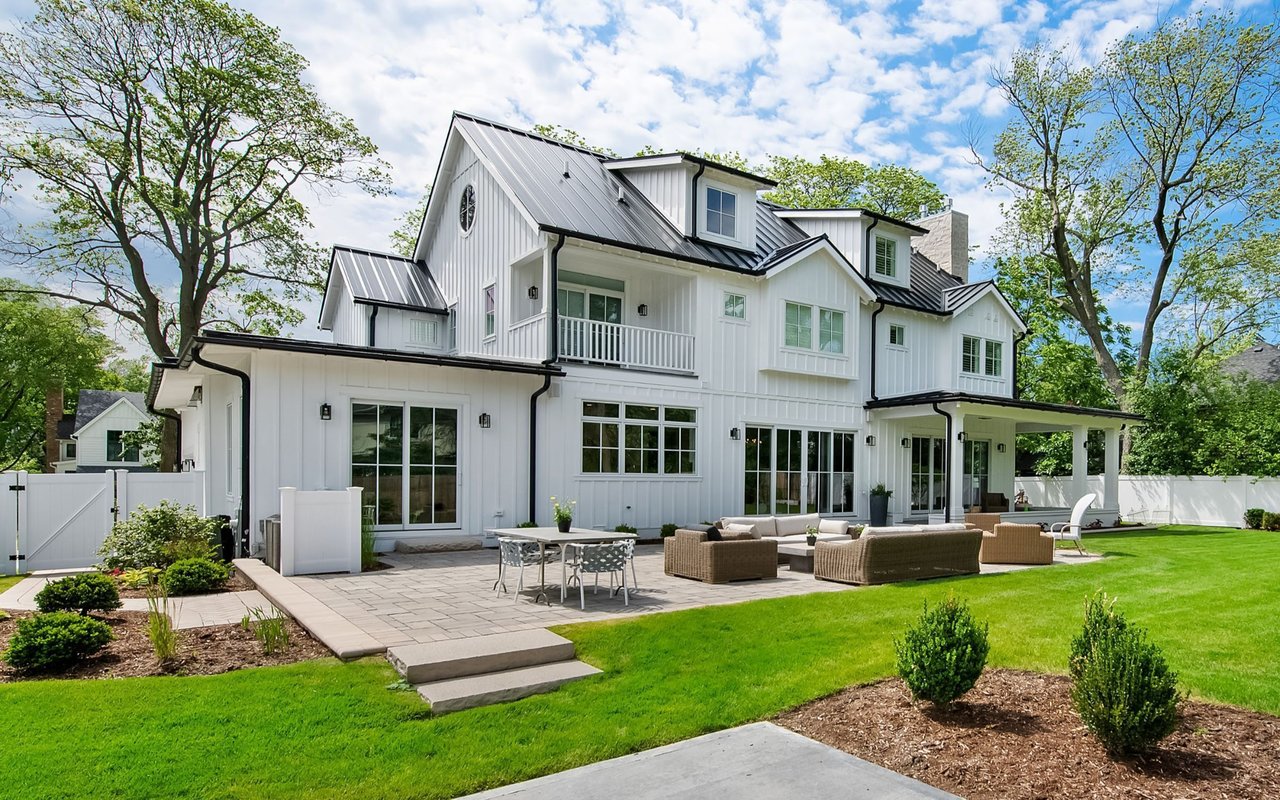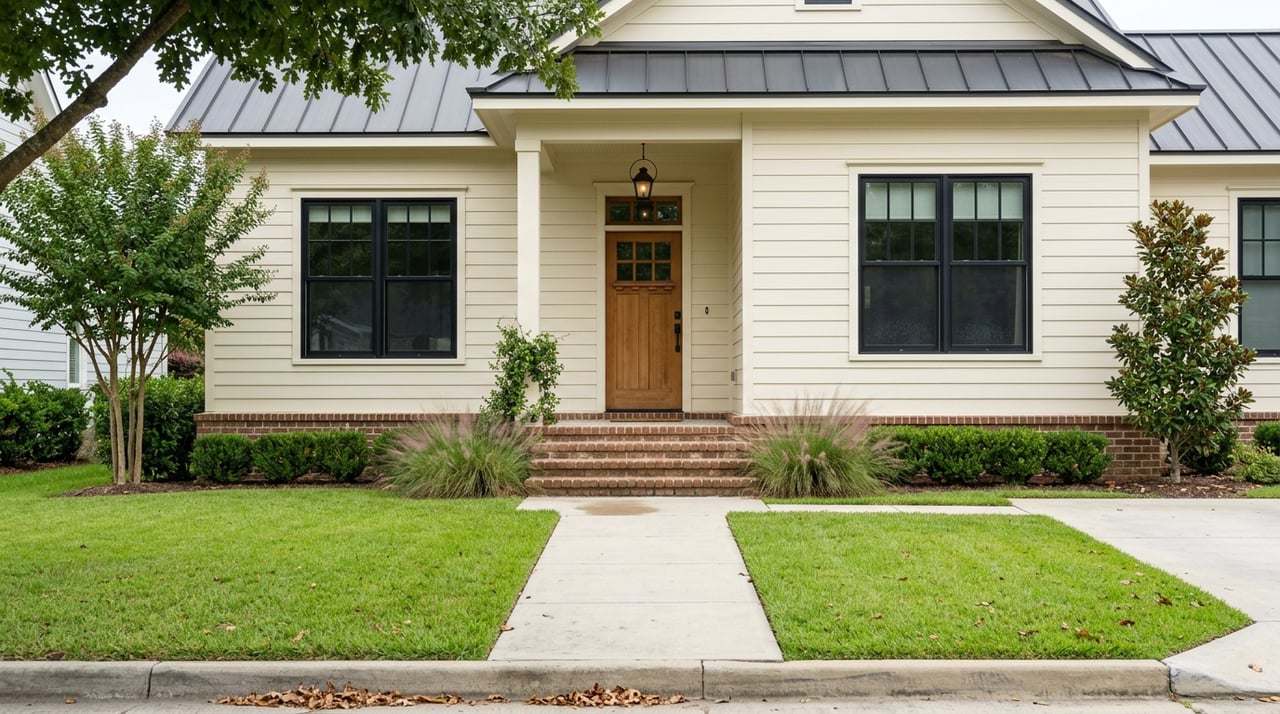
Trying to decide between a brand-new home and a historic Savannah property? You are not alone. In Savannah, that choice is about more than style because your daily upkeep, renovation options, parking, and even approval timelines can look very different depending on where you buy. This guide will help you compare both paths so you can move forward with more clarity and less stress. Let’s dive in.
Why this choice matters in Savannah
Savannah is not a market where “old versus new” is a simple design preference. The city’s historic core includes the nationally recognized Savannah Historic District, which the National Park Service identifies as a National Historic Landmark District with more than 1,100 residential and public buildings and 24 squares, reflecting one of the few surviving colonial city plans in the United States. You can explore that designation through the National Park Service listing for the Savannah Historic District.
That local context matters because buying a historic home in Savannah often means buying into a preservation framework, not just an older house. The City of Savannah regulates several local historic overlays, including Downtown, Victorian, Streetcar, and Cuyler-Brownville, and it notes that new construction and many renovations in those areas are reviewed for design compatibility under its development standards.
What historic homes offer
Historic homes give you the strongest connection to Savannah’s architectural identity. The city’s original ward layout, squares, and walkable street grid create an urban feel that many buyers love, and the National Park Service highlights how Savannah’s plan was built around a grid pattern with squares and brick walkways in its overview of Savannah’s colonial city planning legacy.
If you are drawn to original details, established streetscapes, and a strong sense of place, a historic home can be a great fit. In many cases, the appeal is not just the house itself, but how the home sits within the larger rhythm of the neighborhood and the city.
Historic homes often mean more stewardship
With historic properties, ownership usually comes with more hands-on responsibility. The National Park Service explains that deteriorated historic features should generally be repaired rather than replaced when possible, and replacement windows are expected to match the original design, color, texture, and where possible, materials, as outlined in its guidance on historic windows and preservation standards.
That does not mean every repair becomes difficult, but it does mean you should expect a more careful process. Exterior updates may require additional review, and your timeline may be slower than it would be with a newer home outside a preservation overlay.
Exterior changes may need approval
Savannah’s process is important to understand before you buy. The city’s permit amendment materials ask whether a property is in a historic district, whether exterior work is planned, and whether a Certificate of Appropriateness has already been issued, with more detail available on the city’s building permit amendment form.
The city also states that certain material changes in appearance may require a Certificate of Appropriateness, and related forms are available through its applications and forms page. If you are someone who wants to customize quickly, this is one of the biggest practical differences to keep in mind.
Older does not always mean inefficient
A common concern with historic homes is utility cost. While older homes may need updates, the U.S. Department of Energy says a home energy audit or home energy score can help identify air leaks, insulation gaps, and window performance issues when comparing homes, which can be especially useful during your search for a resale property. You can review those recommendations in the DOE article on saving energy bills when buying a new home.
EPA also notes that home energy retrofits can be cost-effective and may improve comfort, safety, and health. So if you love a historic home, it is worth evaluating the property carefully instead of assuming the worst.
What new construction offers
New construction tends to appeal to buyers who want simplicity, efficiency, and fewer surprises in the first years of ownership. In Georgia, one- and two-family dwellings are built under the Georgia State Minimum Standard Energy Code, which is based on the IECC with Georgia amendments, according to the Georgia Department of Community Affairs code information sheet.
In practical terms, that code framework helps set a baseline for energy performance in newer homes. For many buyers, that translates into a more predictable ownership experience right out of the gate.
Energy efficiency is a major advantage
If efficiency is high on your list, new construction has a clear edge. EPA explains that building energy codes are intended to ensure a minimum level of energy efficiency in new homes, and it also notes that ENERGY STAR certified new homes are at least 15% more efficient than homes built to current code and typically 20% to 30% more efficient than standard new homes, based on its archived summary of local residential energy efficiency.
The Department of Energy adds that ENERGY STAR certified homes are built with efficient energy, water, and building materials and can offer improved durability, comfort, and lower utility and maintenance costs. Not every new home will carry that certification, but these benchmarks help show why many buyers prioritize newer builds.
Maintenance is usually more predictable
One of the biggest reasons buyers choose new construction is the lower-friction maintenance that often comes with newer systems and materials. While every home still needs care, newer roofs, HVAC equipment, plumbing, and electrical systems typically reduce the number of immediate repair decisions you face after closing.
That can be especially helpful if you are relocating on a tight timeline, buying your first home, or simply want a move-in-ready experience. For many buyers, predictability is just as important as style.
Lifestyle differences to think through
Your choice is not only about the house. It is also about how you want to live day to day.
Historic areas in Savannah often feel more urban and walkable because of the city’s original grid and square-based design. At the same time, the City of Savannah notes in its development standards that downtown buildings may have no setback requirement and that Downtown, Victorian, and Streetcar properties may qualify for parking reductions or exemptions.
That means parking, lot layout, and outdoor space can look very different in the historic core than in newer communities. If you want easier parking, a more conventional lot setup, and fewer design-review questions, new construction outside historic overlays may feel more straightforward.
Tourist activity and overlays can shape the feel
Another layer to understand is how city overlays affect the surrounding environment. The city states that the Downtown, Victorian, and Streetcar districts are within Savannah’s short-term vacation rental overlay district, which you can review on the city’s STVR page.
That does not define every block or every property, but it helps explain why some buyers experience parts of the historic core as more heavily managed or more visitor-oriented. If you want a quieter or more conventional residential setup, this is a good topic to ask about before making an offer.
Questions to ask before you choose
Whether you are leaning historic or new, these are smart Savannah-specific questions to ask early:
- Is the property inside a local historic district or conservation district?
- Will a Certificate of Appropriateness be required for exterior changes or additions?
- How recent are the roof, HVAC, windows, plumbing, and electrical systems?
- Would an energy audit help you understand insulation, air leaks, or window performance?
- Is the home in a flood zone or Special Flood Hazard Area?
- Do the parking, setback, and lot rules fit your everyday lifestyle?
These questions can save you time, money, and frustration later. They also help you compare homes based on how they will actually function for you, not just how they look in photos.
Which option fits you best?
If you value architecture, walkability, and a strong sense of place, a historic home may be the better match. You just need to be comfortable with preservation rules, longer timelines for some exterior work, and a more hands-on approach to ownership.
If you value efficiency, modern comfort, and fewer maintenance surprises, new construction may be the better fit. For many buyers in the Greater Savannah area, especially those balancing work, family schedules, or relocation deadlines, that predictability can be a major advantage.
In the end, the right choice depends on your priorities, your timeline, and how involved you want to be after closing. If you want help weighing your options in Savannah, Pooler, Port Wentworth, Richmond Hill, Rincon, or along the broader Savannah-Hinesville corridor, Lachandra Bodison can help you compare the tradeoffs, understand the process, and move forward with a clear plan.
FAQs
What makes choosing between new construction and historic homes in Savannah different from other markets?
- Savannah has a nationally recognized historic core and multiple local historic overlays, so your decision may involve design review rules, Certificates of Appropriateness, parking differences, and preservation standards in addition to the age of the home.
What should you ask before buying a historic home in Savannah?
- You should ask whether the home is in a local historic district, whether exterior changes require a Certificate of Appropriateness, how old the major systems are, whether the property is in a flood zone, and how parking and lot rules may affect your daily routine.
Are historic homes in Savannah always less energy efficient than new construction?
- No. Older homes may need updates, but the Department of Energy says energy audits can identify air leaks, insulation gaps, and window issues, which can help you understand a home’s actual performance instead of making assumptions.
Why do many buyers choose new construction in the Savannah area?
- Many buyers prefer new construction because it often offers modern layouts, code-based energy efficiency, and fewer immediate repair needs, which can make the first years of ownership feel more predictable.
Do exterior renovations on historic homes in Savannah need city approval?
- In many cases, yes. The City of Savannah notes that certain exterior changes in historic areas may require a Certificate of Appropriateness, so it is important to confirm the rules for the specific property before you buy.