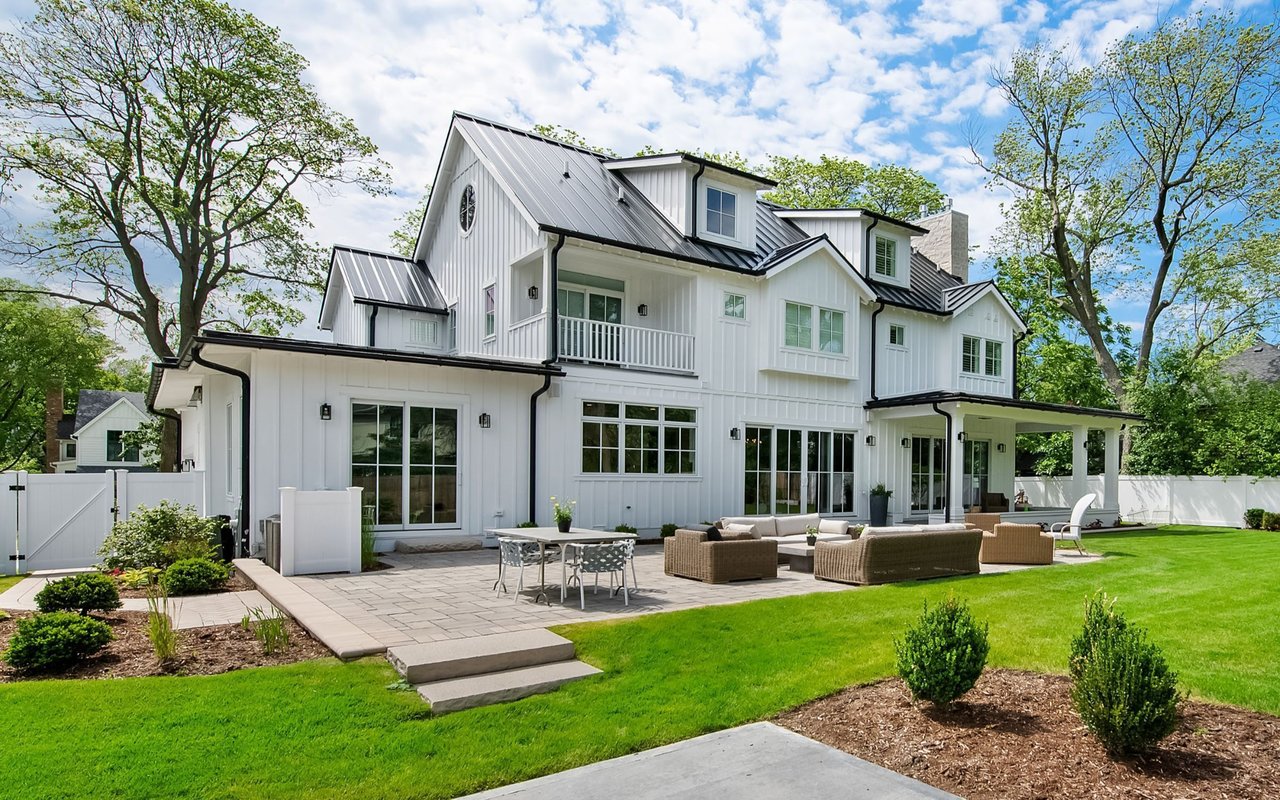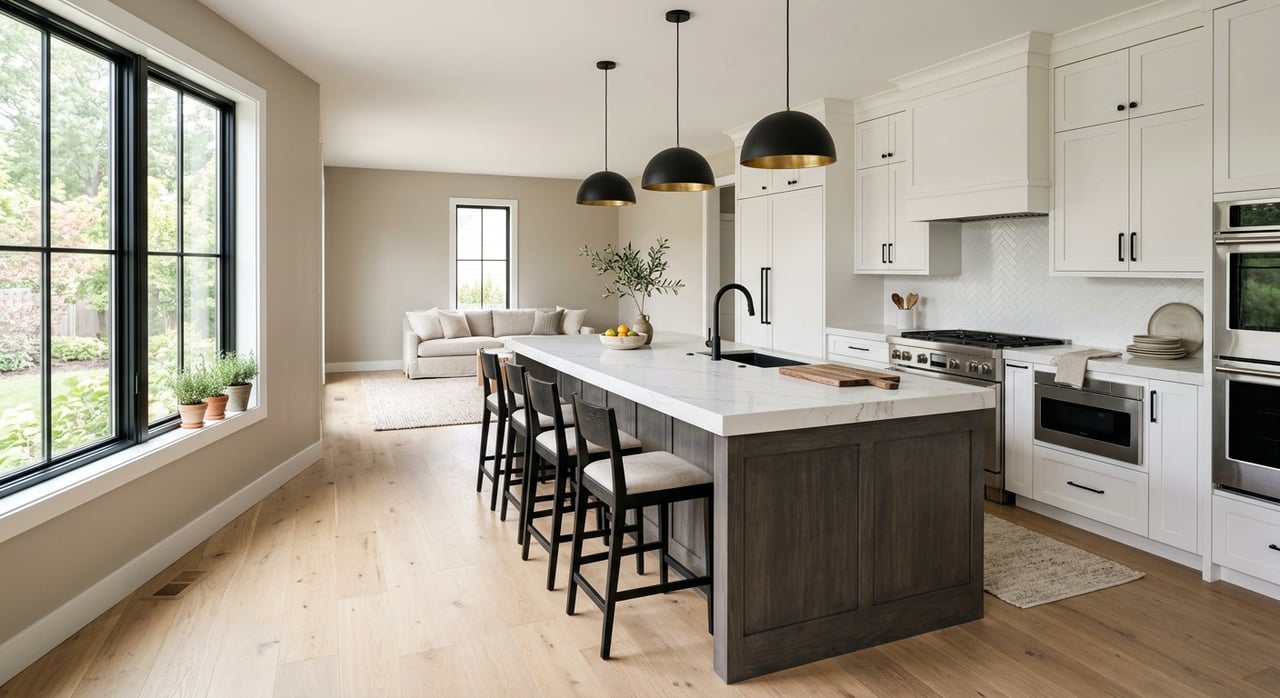
Trying to compare new construction communities in Pooler can feel harder than it should. One neighborhood may offer larger lots, another may focus on resort-style amenities, and another may keep maintenance simpler with a townhome setup. If you want to make a smart move without getting lost in builder marketing, this guide will help you compare the most important differences and narrow your shortlist with confidence. Let’s dive in.
Why Pooler Comparisons Matter
Pooler is growing quickly, and that growth is a big reason buyers have more new construction choices than ever. According to the U.S. Census QuickFacts for Pooler, the city’s 2024 population estimate was 31,171, up 21.7% from 2020.
That growth is happening in a location many buyers find practical. Pooler sits near the I-95 and I-16 interchange, about 10 miles west of Savannah and close to the Savannah/Hilton Head International Airport, which can make it appealing if you want access to major routes and the broader Savannah area.
It is also important to compare communities with monthly cost in mind, not just base price. The same Census source reports a median owner-occupied home value of $322,400 and median monthly owner costs with a mortgage of $1,845, which gives you a useful baseline when weighing pricing, HOA dues, and possible club fees.
Compare by Lifestyle First
One of the easiest ways to compare Pooler communities is to group them by lifestyle before you compare floor plans. Pooler is not one uniform new-home market, and the right fit often depends on how you want to live day to day.
In general, the communities in this guide fall into three broad buckets:
- Resort-style master-planned living with deeper amenity packages
- Traditional single-family neighborhoods with a broad range of home sizes
- Low-maintenance townhome living with simpler upkeep
Once you know which bucket fits your goals, it becomes much easier to compare homesite size, HOA structure, amenities, and monthly payment.
Savannah Quarters and Westbrook
If you want a more amenity-rich, master-planned setting, Savannah Quarters is one of the clearest examples in Pooler. According to Savannah Quarters, it is a 2,600-acre community with an 18-hole Greg Norman Signature Golf Course, a 29,000-square-foot clubhouse, swimming, tennis, fitness, dining, and future village-center growth.
That broader community includes different sections with different buyer appeal. This is where many buyers can get tripped up, because not every neighborhood inside a master-planned community offers the same layout options, lot sizes, or cost structure.
Lennar Arbor Collection
Lennar’s Arbor Collection in Savannah Quarters is described as a gated single-family series. Builder information highlights plans with 3 bedrooms, 2 bathrooms, around 1,749 square feet, and an approximate HOA fee of $401, along with recreational membership access to the country club, according to Lennar’s Savannah Quarters information.
For you as a buyer, the key takeaway is to ask exactly what that HOA figure includes. In communities like this, the HOA and any club or recreation access may not function the same way as a standard neighborhood fee.
Dream Finders Westbrook Retreat
Dream Finders’ Westbrook Retreat, also within Savannah Quarters, offers a different setup. Official community details describe homes from 1,495 to 2,500 square feet on 40-foot homesites with five plans and resort-style amenities that include a pool, lap pool, fitness room, playground, pickleball, tennis, walking paths, and golf, based on the same Savannah Quarters community information.
This option may appeal to you if you want the Savannah Quarters lifestyle but prefer a smaller homesite footprint than some other single-family neighborhoods. It is a good example of why two communities in the same master plan can serve very different priorities.
Harmony and Forest Lakes
If your focus is a single-family home with more traditional neighborhood living, Harmony and The Cove at Forest Lakes are useful comparisons. These communities speak to many of the same buyers, but the differences still matter.
Harmony at a Glance
According to Landmark 24’s Harmony community page, Harmony offers homes from 1,821 to 2,956 square feet with 3 to 5 bedrooms, 2 to 3.5 baths, two-car garages, and pricing from $376,200. The builder also notes that the new phase includes lots as wide as 60 feet.
That lot width can make a meaningful difference if you care about spacing between homes, yard layout, or outdoor use. Harmony is a strong reminder that lot size is not a minor detail. It directly affects how a home lives.
The Cove at Forest Lakes
The same Landmark 24 source describes The Cove at Forest Lakes as offering homes from 1,821 to 2,956 square feet, 3 to 5 bedrooms, 1 to 2 car garages, pricing from $408,400, and amenities such as a clubhouse, pool, and fitness center.
For many buyers, Harmony and The Cove at Forest Lakes may look similar at first. In practice, the decision often comes down to the amenity package, price point, garage setup, and how much value you place on lot width or neighborhood feel.
School Zone Differences
School assignments can vary even within the same city, so this is something to verify before you write an offer. Landmark 24 lists Harmony with West Chatham Elementary, West Chatham Middle, and New Hampstead High, while The Cove at Forest Lakes is listed with Godley Station K-8 and New Hampstead High on the same community information source.
Because attendance lines can change, it is smart to confirm the current zoning for the exact address before moving forward. That is especially important if school assignment is part of your decision-making process.
Towne Park for Townhome Buyers
If you want a lower-maintenance option, Towne Park gives you a useful townhome comparison. A third-party community listing describes Towne Park as offering 3 bedrooms, 2.5 baths, an open-concept kitchen, granite countertops, luxury vinyl plank flooring on the first floor, a single-car garage, a patio, and access to a pool and playground.
Townhome communities can be a practical fit if you want newer finishes and community amenities with less exterior upkeep than many detached homes. They can also offer a different entry point into the new construction market depending on current pricing and availability.
Builder features matter here too. The research report notes Beacon highlights spray foam insulation, high-performance windows, quick recovery water heaters, high-efficiency HVAC, and a 2-10 warranty package with 1-year workmanship, 2-year systems, and 10-year structural coverage.
What to Compare Before You Shortlist
Once you know which communities fit your lifestyle, the next step is comparing them side by side. This is where you move from broad interest to a practical decision.
Compare homesite size
Do not stop at square footage. Harmony advertises 60-foot-wide lots, while Westbrook Retreat uses 40-foot homesites, according to the builder information in the research report.
That difference can affect backyard size, driveway feel, privacy, and the overall spacing of the streetscape. If outdoor use matters to you, homesite width deserves close attention.
Compare fees carefully
Ask for a full breakdown of every required cost. In Pooler, that may include HOA dues, POA fees, and in some communities a separate club or recreational membership layer.
This matters because two homes with similar base prices can produce very different monthly totals. You want to compare the true monthly payment, not just the advertised starting price.
Compare taxes realistically
Property taxes should be part of the conversation early. The City of Pooler states that property values are assessed at 40% of market value, and property tax revenue helps fund services such as public safety, parks, recreation, street and sidewalk upkeep, and planning and development.
That means your monthly payment estimate should include more than principal and interest. A full estimate should account for taxes, insurance, HOA costs, and any other required fees.
Compare flood and drainage risk
This is especially important in Pooler. The Census source notes that about 22% of Pooler’s land is marsh, which is one reason drainage, flood exposure, and lot elevation should be part of your review.
For flood information, FEMA says the Flood Map Service Center is the official public source for flood hazard information, and it notes that areas with a 1% annual chance of flooding are considered high risk. Before you move forward on any homesite, pull the FEMA map for that specific address and ask questions about drainage and flood-prone conditions nearby.
Compare HOA rules
HOA documents are not just paperwork. Consumer guidance from the Georgia Attorney General’s office notes that unpaid HOA or COA fees can become liens, and Georgia law gives property owners’ associations authority over exterior-appearance changes.
That makes it important to review covenants, architectural rules, reserve information, and any special assessments before signing. If you plan to make exterior changes later, this step is even more important.
Where a Local Agent Helps Most
With new construction in Pooler, the biggest challenge is often turning builder marketing into a true apples-to-apples comparison. Amenities, incentives, warranties, homesite premiums, and contract terms can vary a lot from one community to the next.
This is where I help buyers stay clear and confident. I can help you compare what is standard versus upgraded, whether incentives depend on a preferred lender or quick closing, how club access differs from HOA dues, and whether a lot carries a premium because of shape, location, or proximity to amenities.
I also help verify the details that can change quickly, including current availability, zoning, and community-specific costs. That kind of side-by-side review is especially valuable if you are relocating, buying on a timeline, or trying to balance budget with lifestyle.
If you are comparing new construction communities in Pooler and want clear guidance from someone who understands the local market and builder process, connect with Lachandra Bodison. A quick consultation can help you narrow your options, ask better questions, and move forward with a plan that fits your goals.
FAQs
What makes new construction communities in Pooler different from each other?
- The biggest differences usually come down to lifestyle, amenities, homesite size, HOA structure, club access, and total monthly cost.
What should you compare before buying in a Pooler new construction community?
- You should compare lot size, HOA and club fees, taxes, warranty coverage, amenities, school assignment for the address, and flood or drainage conditions.
Which Pooler community type is best if you want resort-style amenities?
- Savannah Quarters is the strongest example in this guide of a resort-style master-planned community with layered amenity options.
Which Pooler community type may fit if you want less maintenance?
- A townhome option like Towne Park may be worth considering if you want newer features and community amenities with a lower-maintenance setup.
Why should you check flood maps before buying a new home in Pooler?
- Pooler includes marshland and stormwater considerations, so checking the FEMA flood map for the exact property can help you better understand flood risk before you buy.
Why should you review HOA documents in a Pooler community?
- HOA documents can affect monthly costs, exterior changes, and financial obligations, and unpaid fees may become liens under Georgia consumer guidance.