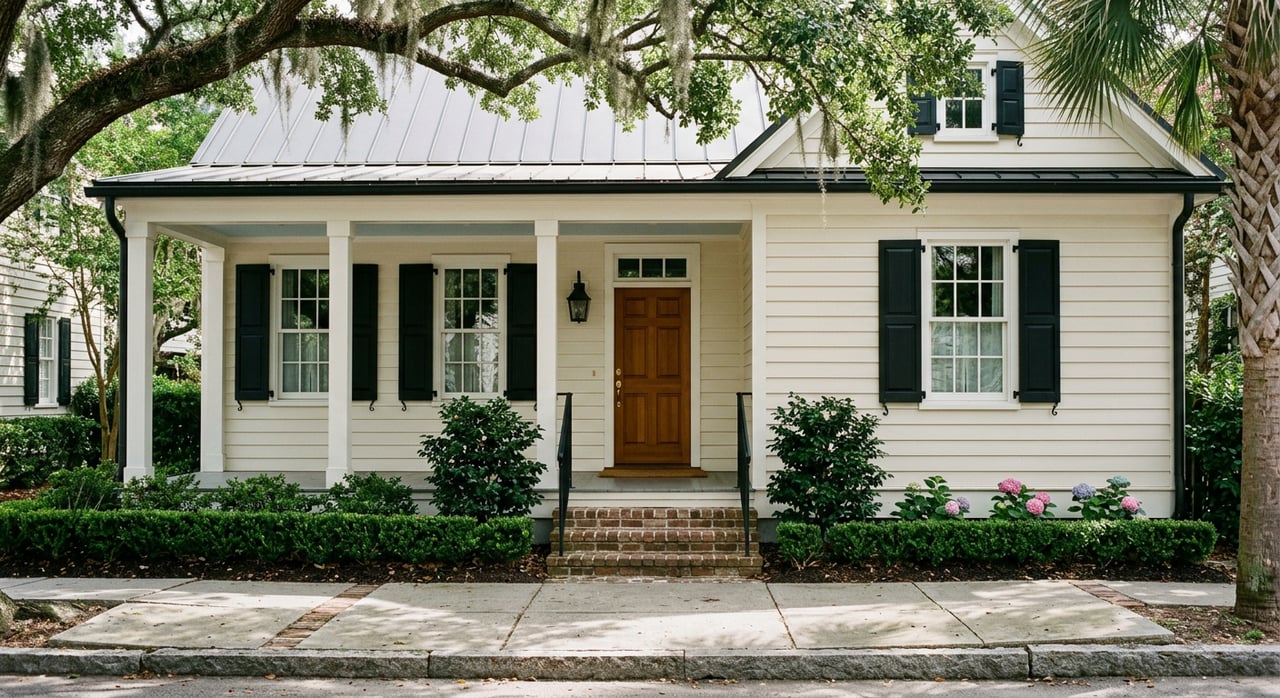
Imagine stepping out your front door to a live oak canopy, a pocket park around the corner, and your favorite coffee shop two blocks away. That is the rhythm of Savannah’s in-town neighborhoods. If you are deciding between a walkable historic address and a roomier place a few miles out, it can be hard to picture daily life in the core. In this guide, you will learn how “in-town” is defined locally, what it feels like to get around, the housing types and price signals to expect, and the rules that can affect your plans. Let’s dive in.
What in-town means in Savannah
Locals use “in-town” to describe the urban core and the immediately adjacent historic or early residential districts. That usually includes the National Historic Landmark District (Downtown), the Victorian District, Thomas Square and the Streetcar area, Starland, the Midtown and Forsyth Park corridor, Ardsley Park and Chatham Crescent, and close-in neighborhoods like Gordonston.
For official neighborhood names and boundaries, review the City of Savannah’s neighborhood list and map. The Historic Savannah Foundation also outlines the city’s locally recognized historic districts, which helps you understand where design rules apply.
- Explore the City’s neighborhood map and list: City of Savannah neighborhoods
- Learn about local historic districts: Historic Savannah Foundation
Getting around the core
Walkability and errands
Savannah’s overall Walk Score is car dependent, but the in-town grid makes a big difference. Many blocks in the Historic, Victorian, and Thomas Square areas score in the 80s and 90s, which means you can walk to restaurants, parks, and some daily errands. The closer you are to the squares and Forsyth Park, the more your feet and a bike can replace short car trips.
- Check neighborhood walk and bike scores: Walk Score Savannah
Transit, shuttles, and ferry
Chatham Area Transit (CAT) runs local bus routes across the county. Inside the core, CAT operates fare-free downtown shuttles and the Savannah Belles ferry across the river, which are handy for lunch runs, events, and visitor days. Service outside the central grid is less frequent, especially on weekends, so many commuters still rely on a car if they work beyond downtown.
- See the CAT system overview: CAT State of the System report
Biking basics
Many in-town streets are bikeable for confident riders. You will find smooth routes through the grid, but expect cobblestones and heavier pedestrian traffic on some riverfront blocks. A quick loop of your commute at off-peak hours will tell you if biking fits your routine.
Parks, squares, and culture
Forsyth Park, about 30 acres, anchors daily life for many in-town residents. You will see farmers markets, tennis matches, playground time, and morning jogs, all against a postcard backdrop. The Riverwalk and nearby parks are popular for weekend strolls and gathering with friends, and the city’s historic squares create pocket parks every few blocks that make even short walks feel special.
- Browse local square and park highlights: Visit Savannah guide
Savannah College of Art and Design (SCAD) adds a creative pulse downtown. Galleries, museum programming, and student life shape weeknight dining and seasonal arts events, which you will feel in parts of the Historic and Victorian districts.
Homes and price tiers
Architecture you will see
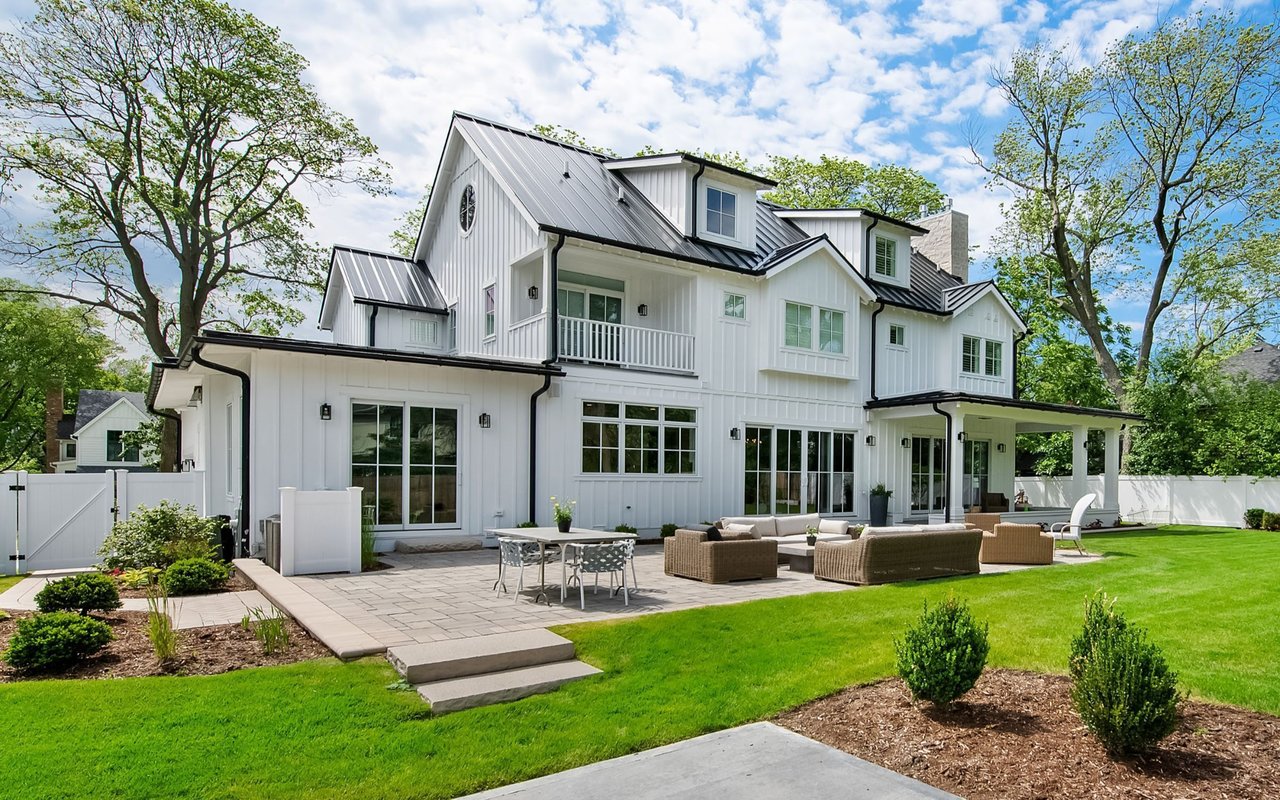
In-town housing spans historic rowhouses and townhomes, grand homes in styles like Greek Revival and Victorian, and late 19th to early 20th century bungalows and Craftsman designs. You will also find condos and apartments in and near the core. South of the Landmark District, neighborhoods like Ardsley Park and Chatham Crescent offer early suburban plans with larger lots and architecturally consistent streets.
- Learn where historic overlays apply: Historic Savannah Foundation
Market signals to know
Publisher snapshots in early 2026 placed Savannah’s typical home value in the low to mid 300s. For example, Zillow’s city snapshot on January 31, 2026, estimated a typical value near 323,000. Inside the Landmark District, published medians for many historic wards trend much higher, often near or above 1 million for restored homes and prime locations. In Ardsley Park and nearby Midtown blocks, snapshots commonly show mid to high 300s to the 600s depending on the street and property type. These figures change often, so use them as tiers rather than fixed targets and pair them with up-to-the-week MLS data when you are ready to write an offer.
Rules that shape daily life
Historic approvals for changes
Many in-town neighborhoods sit inside local historic overlay districts. Exterior changes visible from a public street, like window replacement, porch repairs, additions, or new construction, usually require a Certificate of Appropriateness (COA). Some work can be approved at the staff level while other projects go to a review board, so build design timelines into your plans.
- Start with the City’s permits and applications portal: Savannah applications and forms
Short term rental permits
Short-term rentals are regulated by the City of Savannah. The city issues STVR certificates, applies district and ward caps, and requires annual renewals. Certificates are not automatically transferable when a property sells, and some wards limit non owner occupied rentals, so verify assumptions before you underwrite an income plan.
- Read the city’s STVR guidance: Savannah STVR overview and application
Parking, traffic, and events
Historic streets can be narrow, and not every home has off-street parking. Plan for permit zones or garage options if you own multiple vehicles. Downtown draws big visitor crowds, and major events like St. Patrick’s Day bring a surge of traffic and noise near the riverfront and main squares. The fare-free shuttles help with errands on busy days.
- See the city’s squares and event areas: Visit Savannah guide
Flood risk and insurance
Savannah is a low lying coastal city. Flood exposure varies block by block, especially close to the river and other low elevation areas. As a buyer, check FEMA flood maps, confirm elevation and foundation details, and discuss flood insurance early, particularly for older structures. National studies list Savannah among U.S. coastal cities with notable exposure to future sea level change, which is a good reason to evaluate site specifics before you make an offer.
- Read a peer-reviewed coastal risk overview: U.S. coastal city exposure study
Quick neighborhood cues
Use these short profiles to match your lifestyle with the right in-town fit.
- Historic District (Downtown). Highly walkable streets with iconic squares, museums, restaurants, and tours. Expect a strong price premium for restored homes and condos, seasonal tourism nearby, and smaller yards.
- Victorian District and Thomas Square. Tree-lined streets, late 19th century homes, and a growing cafe culture with SCAD influence. A mix of renovations and classic architecture just south of the Landmark District.
- Starland and Habersham corridor. An arts-forward pocket with galleries, new restaurants, and renovated cottages. Close to downtown with active storefronts and creative businesses.
- Midtown and Forsyth Park corridor. Residential blocks near the park, with a blend of bungalows and larger homes. Walkable to green space, with quick access to downtown amenities.
- Ardsley Park and Chatham Crescent. Early 20th century plan with larger lots, classic streetscapes, and quick downtown access. Often chosen by buyers who want more yard and a quieter street scene without moving far from the core.
- Gordonston and the Daffin Park area. Calmer residential streets and larger yards compared with the Landmark District. A good option if you want in-town access with a more relaxed pace.
For official neighborhood references, review the City of Savannah neighborhoods.
Is in-town living right for you?
Use this quick checklist to see how well the core fits your day to day.
- You want to walk to parks, restaurants, and galleries most days.
- You are comfortable with visitor activity during peak seasons or you can choose blocks set back from the busiest corridors.
- You value architecture and are open to following historic review steps for exterior changes.
- You plan to check parking options closely and can adapt when street parking is tight.
- You will confirm flood risk, elevation, and insurance before you offer.
- You are considering STR potential, and you will verify current STVR rules and certificate availability by ward.
- You prefer more space and yard size, which may point you toward Ardsley Park, Midtown, or Gordonston while staying close to downtown.
How I help you compare options
If you are weighing a historic townhouse near the squares against a larger home a few minutes south, I will build a side by side plan that covers daily travel time, parking, renovation scope, insurance, and budget. My process is clear and step by step, with fast communication so you can move with confidence. I work with many relocating buyers on tight timelines and can coordinate virtual tours, vendor introductions, and contract strategy that respects historic approvals and local rules.
Ready to find your fit in Savannah’s core or nearby neighborhoods? Schedule a free consultation with Lachandra Bodison to get a tailored plan.
FAQs
Do you need a car to live in Savannah’s in-town neighborhoods?
- Many Historic, Victorian, and Thomas Square blocks are very walkable, and downtown has fare-free shuttles and a ferry, but most households still use a car for commutes outside the core. See Walk Score Savannah and CAT’s State of the System report for context.
How busy does downtown Savannah get during events?
- Visitor seasons and major events like St. Patrick’s Day increase foot traffic, parking demand, and noise near the riverfront and main squares; several blocks off the busiest corridors feel calmer. Explore the layout of squares and gathering areas with this Visit Savannah guide.
What permits do you need to renovate a historic Savannah home?
- In local historic overlay districts, exterior changes visible from a public street often require a Certificate of Appropriateness, with some items approved by staff and others by a review board. Start with the City’s applications and forms to plan timelines.
Can you operate a short term rental in Savannah’s Historic District?
- Possibly, but the City issues STVR certificates, applies caps and owner occupancy rules in some wards, requires annual renewals, and certificates are not automatically transferable on sale. Read the STVR guidance before you underwrite any income.
Should buyers consider flood risk when shopping in Savannah’s core?
- Yes. Savannah is low lying, and risk varies by block. Check FEMA flood maps, confirm elevation and foundation details, and discuss insurance early. For big picture context, review this peer reviewed coastal risk study.