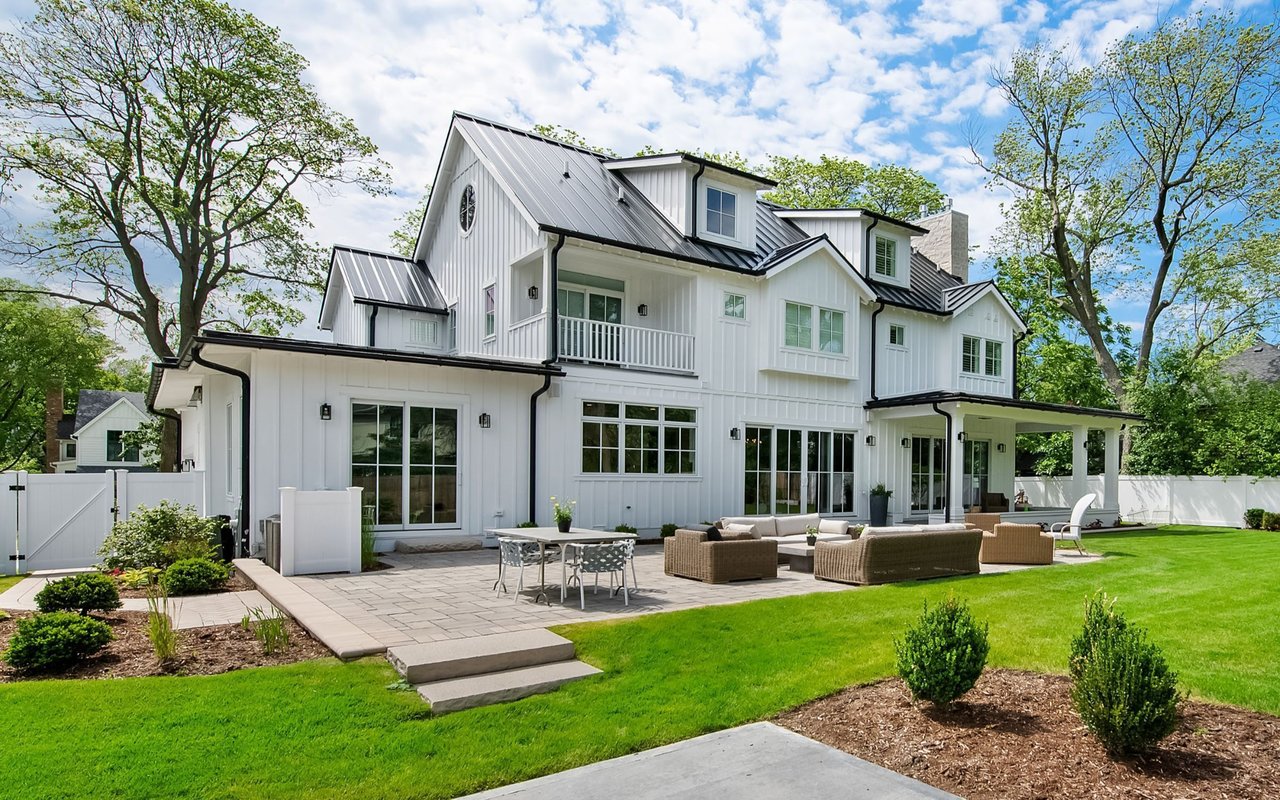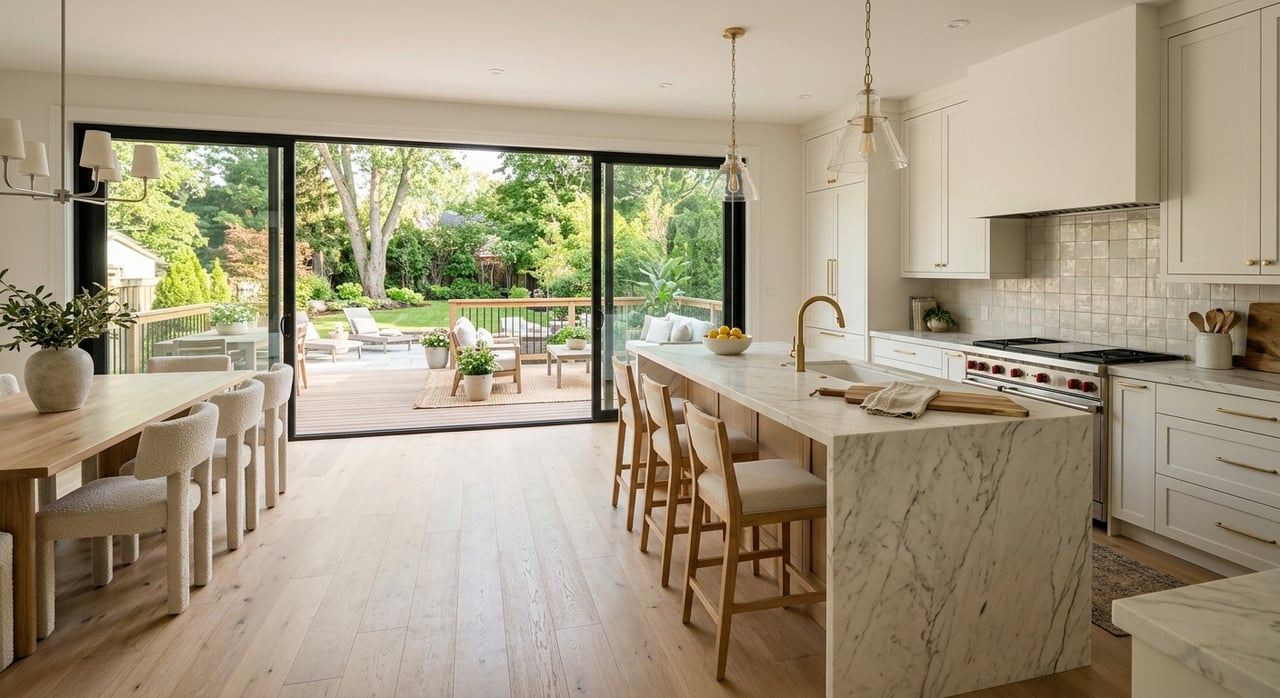
Wondering whether suburban Savannah might fit your lifestyle better than living in the city itself? You are not alone. Many buyers want more space, newer homes, and an easier day-to-day routine without feeling too far from downtown Savannah. The good news is that the suburban areas around Savannah offer several distinct options, each with a different feel, price point, and pace of life. Let’s dive in.
What suburban living around Savannah looks like
Savannah’s suburban areas are not just one outer ring. They include nearby communities in Chatham County and beyond, especially Pooler, Port Wentworth, Richmond Hill, and Rincon. Savannah remains the regional hub, while many of these suburbs have absorbed a large share of the area’s residential growth and newer housing supply.
That matters if you are searching for a home that feels more ownership-oriented, with more single-family options and neighborhood-style development patterns. Compared with Savannah proper, several nearby suburbs have higher owner-occupied home values, higher household incomes, and housing stock that leans more heavily toward detached homes.
Why buyers choose Savannah suburbs
For many buyers, the appeal comes down to balance. You can often get more yard space, a newer floor plan, and a more suburban setup while still keeping access to downtown Savannah for work, dining, events, and the Historic District.
Daily life in these areas is still mostly car-centered. At the same time, the larger Savannah area has transit options that are more robust than many similar Southern markets. Chatham Area Transit connects historic downtown with greater Savannah, unincorporated Chatham County, and parts of Garden City, and it also operates the free downtown dot shuttle and the free Savannah Belles Ferry.
Pooler: newer homes and convenience
Pooler is often the first place buyers mention when they talk about suburban Savannah. It has grown quickly, with a 21.7 percent population increase from 2020 to 2024. That kind of growth reflects how strongly buyers have responded to its location, newer development, and convenient road access.
If you like newer subdivisions, Pooler stands out. The city’s planning documents show that single-family detached homes make up 66.2 percent of its housing, and much of the housing stock was built between 2000 and 2009. That helps explain why so many neighborhoods in Pooler feel newer and more uniform in style.
Pooler’s current median value of owner-occupied homes is $322,400, and its median household income is $91,766. For many move-up buyers and new construction shoppers, that profile makes Pooler attractive because it combines suburban housing supply with a strong convenience factor.
Location is a major part of the lifestyle here. Pooler’s development is closely tied to I-95, US 80, Pooler Parkway, and the Savannah/Hilton Head International Airport. The airport sits between Pooler, Garden City, and Savannah, with direct access from I-95, and is about eight miles northwest of Savannah’s Historic District.
The tradeoff is traffic. Because Pooler is so convenient and retail-oriented, busier roads can be part of everyday life. If you value quick access to shopping, commuting routes, and newer housing, that may feel worth it.
Outdoor life in Pooler
Pooler also offers strong park access. Tom Triplett Park is a 200-acre community park with a 19-acre lake, paved walking track, fishing, disc golf, tennis, pickleball, playgrounds, and picnic areas.
The city also has a recreation complex with ballfields, racquet sports, a stadium, and playgrounds. If your ideal suburb includes everyday outdoor options close to home, Pooler checks that box well.
Richmond Hill: a smaller-town suburban feel
Richmond Hill often appeals to buyers who want suburban living with a more small-town atmosphere. Its planning documents emphasize quality of life, natural surroundings, and that distinct local character. It is also closely tied to Savannah’s economy and growth, sitting roughly 20 miles away.
Richmond Hill’s 2024 Census estimate was 19,839 residents. While it remains suburban in function, it is often positioned differently from the more commercialized areas closer to Savannah. That difference shows up in how buyers describe the area’s pace and setting.
The current median value of owner-occupied homes in Richmond Hill is $313,400, and the median household income is $92,824. Planning documents note a range of housing, from lower-priced homes to higher-end neighborhoods such as Ford Plantation, along with an emphasis on open space and recreational amenities in newer subdivisions.
Transportation in Richmond Hill centers on State Route 144 and US 17. The city’s proximity to Savannah has been a key growth driver, and local planning documents also highlight future widening and reconstruction work on SR 144.
Outdoor life in Richmond Hill
Richmond Hill shines when it comes to recreation and green space. J. F. Gregory Recreational Park is a 335-acre park with walking trails, a bike trail, playground, picnic tables, lagoon, and birding tower.
The city also lists Sterling Creek Park, a 187-acre site with walking and bike trails. Nearby Fort McAllister State Historic Park adds boating, fishing, camping, and access along the Ogeechee River, which gives the area a strong connection to the outdoors.
Port Wentworth: growth and value
Port Wentworth is one of the fastest-growing suburban options in the Savannah area. Its population grew 36.6 percent from 2020 to 2024, which is a major jump. For buyers, that growth points to increasing attention on the area as a practical place to live.
Port Wentworth also stands out on value. Its current median owner-occupied home value is $228,100, which is lower than Pooler and Richmond Hill and also below Savannah’s median of $248,900. A 2024 housing and retail study says the city has added more than 4,000 housing units since 2000, with current home sale prices around $275,000 and rents around $1,600.
The housing mix is broader than in some suburbs. Older city planning documents describe low-density single-family homes, multifamily housing, townhouses, and apartments. That can create more options if you want flexibility in price point or housing type.
Port Wentworth is highly corridor-driven. The city includes about 75 miles of streets and roadways, sits along a five-mile stretch of I-95, and lies between the I-95 interchange with State Route 21 and the Georgia Ports Authority. There is also a Park & Ride at I-95 and SR 21.
That convenience can be a real plus for commuting. Still, the area is more exposed to freight and industrial traffic than quieter residential suburbs. If you are considering Port Wentworth, it helps to weigh affordability and access against that more industrial backdrop.
Outdoor life in Port Wentworth
Port Wentworth has several local recreation spots. Lewis Mobley Park includes a playground, football and soccer field, three baseball diamonds, restrooms, and a concession stand.
The city also highlights Armadale Park with a walking path and disc golf, Della Steele Park with playgrounds and a pavilion, and Houlihan Boat Landing for river access. If you like simple, practical outdoor amenities, the city offers a solid mix.
Rincon: middle-ground pricing and steady growth
Rincon gives buyers another option if they want suburban living outside Savannah without jumping to the higher price points seen in some nearby areas. Its population grew 6.9 percent from 2020 to 2024, and its current median owner-occupied home value is $251,600.
That places Rincon in a middle range. It is above Port Wentworth’s median owner-occupied value but below Pooler and Richmond Hill. Its median household income is $74,417, which also supports its role as a more moderate-priced suburban choice.
Planning documents in Effingham County say single-family detached homes are the most common housing type countywide. Officials in Rincon and Springfield also want to diversify the housing market and expand workforce housing options, which suggests continued attention to broader housing choices over time.
Rincon’s planning materials emphasize connectivity improvements, including sidewalks, bike trails, public transportation, school safety zones, and better east-west traffic flow. The city is also part of longer-term transportation planning tied to the Effingham Parkway project.
Outdoor access near Rincon
Rincon and nearby Effingham County communities benefit from practical outdoor access. County facilities include Abercorn Landing and Tommy Long Landing, both of which offer boat ramps and restrooms.
The wider county park network also includes recreation complexes in nearby Springfield and Guyton. For buyers who like boating, outdoor time, and a less dense setting, that can add to Rincon’s appeal.
How Savannah compares to the suburbs
Savannah itself remains a strong option, especially if you want to be closer to the city’s core neighborhoods, cultural attractions, and established housing stock. But the housing profile is different. Savannah’s median owner-occupied home value is $248,900, and its owner-occupancy rate is 45.4 percent.
That lower owner-occupancy rate helps explain why many buyers who want a more ownership-oriented, yard-friendly environment look toward the suburbs. Savannah’s median household income is $57,137, which is also below the figures reported for Pooler and Richmond Hill.
In simple terms, the suburbs often appeal to buyers who prioritize space, newer construction, and neighborhood-style living. Savannah may appeal more to buyers who want to be closer to the energy and character of the city itself.
Which suburb may fit your lifestyle
The best suburb for you depends on what matters most in your daily life. No single area is best for everyone, and that is exactly why comparing them carefully matters.
Here is a simple way to think about the main options:
- Pooler may fit you if you want newer homes, major road access, and a retail-heavy suburban environment.
- Richmond Hill may fit you if you want a stronger small-town feel, natural surroundings, and large recreation assets.
- Port Wentworth may fit you if value and fast growth matter most, and you are comfortable with a more industrial setting.
- Rincon may fit you if you want moderate pricing, a suburban setting, and a community focused on connected growth.
If you are relocating, especially on a military timeline, these differences become even more important. A suburb that looks similar on a map can feel very different once you factor in commute routes, home age, traffic patterns, and the type of neighborhood environment you want.
What to pay attention to during your search
When you tour homes in Savannah’s suburban areas, try to look beyond the listing photos. Focus on how each location supports your real day-to-day routine.
Pay close attention to:
- Your likely commute route and traffic exposure
- Whether you prefer newer subdivisions or a more established setting
- The type of outdoor access you want nearby
- How much value you place on proximity to shopping and major roads
- Whether price, home style, or community setting is your top priority
This is especially helpful if you are comparing new construction with resale homes. In suburban Savannah, both can be good options, but the right choice depends on your timeline, budget, and comfort with the process.
If you want help narrowing down the right suburban fit for your move, Lachandra Bodison can walk you through the options, answer your questions clearly, and help you create a plan that fits your goals.
FAQs
What are the main suburban areas around Savannah, Georgia?
- The main suburban areas commonly discussed around Savannah include Pooler, Port Wentworth, Richmond Hill, and Rincon, each with its own housing mix, price range, and lifestyle feel.
Is Pooler, Georgia a good fit for buyers who want newer homes?
- Pooler is often a strong fit for buyers who want newer subdivisions because much of its housing was built between 2000 and 2009, and single-family detached homes make up 66.2 percent of its housing stock.
How does Port Wentworth compare on home values near Savannah?
- Port Wentworth stands out as a more value-oriented option, with a current median owner-occupied home value of $228,100, which is lower than Pooler, Richmond Hill, and Savannah.
What is the lifestyle like in Richmond Hill, Georgia?
- Richmond Hill is often known for a smaller-town suburban feel, natural surroundings, and strong recreation options, including large parks, trails, and nearby water access.
Is Rincon, Georgia more affordable than other Savannah suburbs?
- Rincon sits in a middle price range, with a current median owner-occupied home value of $251,600, which is below Pooler and Richmond Hill but above Port Wentworth.
Do Savannah suburbs offer parks and outdoor access?
- Yes, the suburbs around Savannah offer a range of outdoor amenities, including large community parks, walking trails, sports facilities, fishing areas, boat landings, and river access.
Are Savannah suburbs car-dependent?
- Most suburban daily life around Savannah is still car-centered, though the area also benefits from Chatham Area Transit services in greater Savannah and free downtown options like the dot shuttle and Savannah Belles Ferry.
Why do some buyers choose the suburbs instead of Savannah itself?
- Many buyers choose the suburbs because they want more single-family housing, more ownership-oriented neighborhoods, newer home options, and easier access to yard space while still staying connected to Savannah.