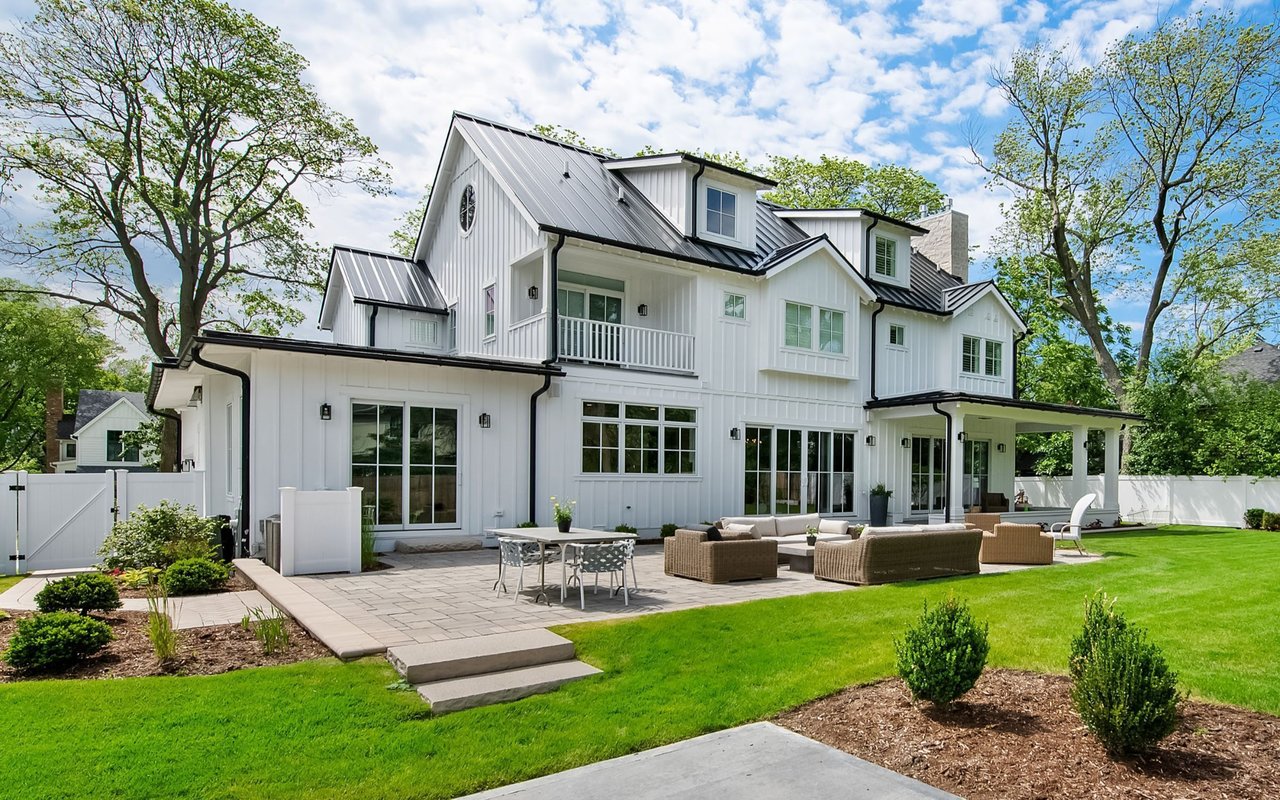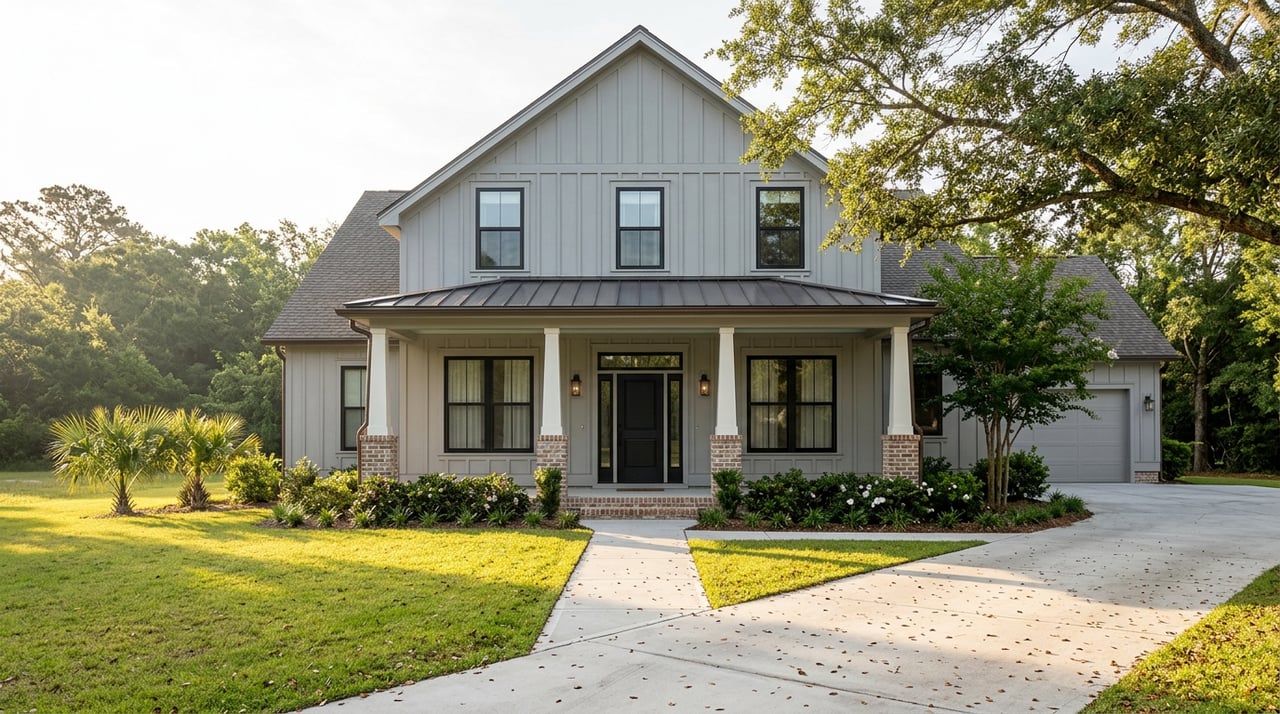
Walk the model-home row in any Pooler subdivision this fall and you'll see the same word on every sign: incentive. Rate buydown. Closing cost credit. Design center allowance. What you won't see, in almost any of these communities, is a lower price than the one posted three months ago. That's not an accident, and it's not a coincidence across builders either. It's a pattern with a specific reason behind it, and understanding that reason changes how you should read every offer you get while shopping new construction in Pooler this year.
The math behind the sign
Pooler's new-home market has cooled from where it stood a year or two ago. As of this September, Redfin's new-construction listings for Pooler show 69 active homes carrying a median asking price of $390,000, with homes sitting a median of 71 days before going under contract. Earlier in the year, other market trackers pegged the citywide median asking price closer to $402,000 as of February 2026, with median time on market closer to 89 days for that same window. Different sources, slightly different numbers, but the same direction: homes have been staying on the market longer than they used to.
Here's the detail that matters more than either of those figures on its own. Homes.com's trailing twelve-month figures for Pooler, as tracked this September, put the actual median sale price at $370,290. So you've got current asking prices sitting in the $390,000 to $402,000 range, and a full year of closed sales averaging well below that. That gap doesn't show up as a lower list price on the sign out front. It shows up as a rate buydown, a credit toward closing costs, or a design center allowance layered on top of a price that hasn't moved.
Why the price tag doesn't move
Builders in master-planned communities like Savannah Quarters, Forest Lakes, and Savannah Highlands aren't selling one house. They're selling a phase, sometimes dozens of homes at a time, and every closed sale becomes a comparable for the next appraisal in that same subdivision. Cut the list price on one lot and you've just reset the ceiling for the homeowner who closed next door six months ago, and for the next appraisal the builder needs on the model down the street.
A rate buydown or a closing credit solves the same problem for the buyer without touching that number. The buyer's monthly payment drops, the cash needed at closing shrinks, and the sign out front still says the same price it said in June. Mortgage lenders who work directly with production builders describe this as a deliberate trade: the buyer gets a real reduction in cost, and the community keeps its comps intact. That's the actual mechanism behind why builder credits stay generous even in a market where straight price cuts almost never appear.
A price cut tells the whole subdivision what the house next door is worth. A rate buydown tells only you.
What each incentive actually buys you
Not every incentive solves the same problem, and treating them as interchangeable is where buyers lose the thread. Here's how the common types break down:
| Incentive type | What it changes | Effect on cash to close | Effect on monthly payment | What to watch |
|---|---|---|---|---|
| Temporary buydown (2-1 or 3-2-1) | Your rate for the first one to three years only | Usually none, builder funds it | Lower at first, then rises to the full note rate | Budget for the full payment once the buydown period ends |
| Permanent buydown | Your rate for the life of the loan | Sometimes requires a small buyer contribution | Lower every month you own the home | Best suited if you plan to stay long term |
| Closing cost credit | The cash you bring on closing day | Directly reduced | No change | Almost always tied to using the builder's preferred lender |
| Design center allowance | Finishes and upgrades | No change | No change | Adds value to the home, not to your monthly budget |
| Straight price reduction | The base sale price | Reduces both loan amount and cash needed | Lower across the life of the loan | Rare in active phases, more common on aging quick move-in inventory |
A permanent buydown is worth more to a buyer who plans to stay in the home for a decade. A temporary buydown is worth more to a buyer confident their income will grow into the full payment within a year or two. A design credit adds real value to the finished product but does nothing for the mortgage math. None of these are better or worse in the abstract. They're solving different problems, and the builder's marketing rarely tells you which one you're actually being offered until you ask directly.
It's also worth remembering that new construction comes with its own built-in value layer separate from any incentive: warranty coverage is part of what you're comparing against a resale home nearby, whether or not you take the buydown.
Why your resale neighbors are suddenly flexible too
None of this is happening in isolation. Pooler sits at the intersection of steady employment growth from Gulfstream Aerospace, the supplier network building up around the Hyundai Metaplant just over the county line, and continued activity at the Port of Savannah. That combination has kept builders adding new phases across West Chatham even as the pace of individual sales has slowed. More supply from national and regional builders spread across Godley Station, the Pooler Parkway corridor, and the newer sections of Savannah Quarters means a resale seller two streets over from a fresh Lennar or D.R. Horton phase is now competing directly against a builder that can offer a rate buydown on demand.
That's good news if you're cross-shopping resale against new construction in the same neighborhood. A resale seller facing that kind of competition has more reason to negotiate on price, on repairs, or on covering part of your closing costs than a seller would have needed to two years ago. The leverage in today's Pooler market runs in both directions. New construction buyers get incentives instead of price cuts. Resale buyers get sellers who are newly willing to move on the number that actually matters.
The paperwork line most buyers skip
One detail that gets buried under all the incentive talk is the assessment statement. Nearly every new-construction community in Pooler, from Savannah Quarters to Godley Station's Arbors and Copper Village to the gated sections of Forest Lakes, operates under a homeowners association or property owners association with its own dues structure. Some bill monthly, some bill semi-annually, and in golf-adjacent communities like Savannah Quarters, club membership can run as a separate line item entirely from the standard HOA fee.
Property taxes belong in that same conversation. Pooler's city council adopted the full rollback millage rate for the 2026 tax year in July, lowering the rate from 4.197 to 4.096 mills. That's a real, current number worth folding into your total monthly cost alongside whatever incentive package a builder is offering, because the incentive lowers your payment on one side of the ledger while assessed value growth affects the other.
A short FAQ
Do I have to use the builder's preferred lender to get the incentive? In most cases, yes, the richest version of the incentive is tied to the builder's in-house or partner lender. You're still free to shop outside rates and compare the full picture before deciding, since a credit that only offsets a lender's higher fees isn't much of a credit at all.
Is a straight price cut ever on the table? Occasionally, usually on a quick move-in home that's been finished and sitting for a while, where the builder is more motivated to clear it than to protect a comp on an active phase. It's worth asking specifically about aging inventory rather than assuming every incentive works the same way.
Should I still get an independent inspection on new construction? Yes. A builder warranty covers defects after the fact. An independent inspection before closing catches issues while there's still time to have the builder address them.
If you're weighing a Pooler new-construction community against a resale option, or trying to figure out which incentive actually moves the needle on your budget, that's exactly the kind of comparison worth walking through with someone who tracks this market week to week. Reach out to Lachandra Bodison to schedule a free consultation and get a clear read on what a specific incentive package really means for your numbers before you sign anything.
This article is general information, not legal, tax or financial advice. Consult a qualified professional about your situation.